Technology company launches innovations to support workforce planning
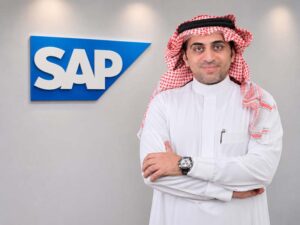
As artificial intelligence becomes increasingly integrated into business operations, Saudi employers need to rethink how they develop talent and prepare employees for changing roles, according to global technology company SAP.
While AI is expected to take on more routine tasks, employees will need stronger analytical, problem-solving and decision-making skills to work effectively alongside the technology.
“As more processes become autonomous, human judgment and accountability become even more important. Our focus is on helping organizations connect trusted data, business AI and workforce development to turn that ambition into measurable business outcomes,” asserted Dr. Fahd Nawwab, Vice President of SAP Saudi Arabia.
SAP innovations
SAP’s latest innovations reflect the growing importance of workforce planning as companies adopt AI. At SAP Connect in Las Vegas recently, the company introduced new capabilities designed to help organizations identify future skills requirements, assess workforce gaps and determine how best to combine recruitment, reskilling and redeployment.
This shift toward more strategic workforce planning is already taking shape in Saudi Arabia. Saudi Aramco Sinopec Refining Company (YASREF), an SAP customer, is advancing its journey toward becoming a skills-based organization, enabling more informed decisions around employee development and future workforce requirements through a deeper understanding of workforce capabilities.
“By gaining greater visibility into the capabilities we have today and identifying future skill requirements, we can better support employee development, strengthen organizational agility, and align our talent strategy with long-term business objectives,” emphasized Fahad Alharbi, HR Manager, YASREF.
Human oversight
These developments form part of SAP’s vision of the Autonomous Enterprise, where AI can work across business processes using connected applications and trusted data, with appropriate controls and human oversight. For employers, this will make workforce planning and continuous learning increasingly important as employees take on different responsibilities.
In Saudi Arabia, developing these capabilities supports the goals of Vision 2030 and the Human Capability Development Program. SAP contributes through several education and professional development initiatives, including SAP University Alliances, the Dual Study Program and the SAP Young Professionals Program, which combines technical training and SAP certification with workplace skills. The SAP Academy of Engineering also develops advanced technology and AI capabilities among professionals.
“Preparing Saudi talent for an AI-enabled workplace means giving people opportunities to build expertise through real work. Employers should combine AI tools with mentoring and practical experience, so early-career employees learn to question outputs, understand business consequences and make sound decisions. Success should be measured by the capabilities people develop and the responsibilities they are ready to take on,” Dr. Nawwab concluded.