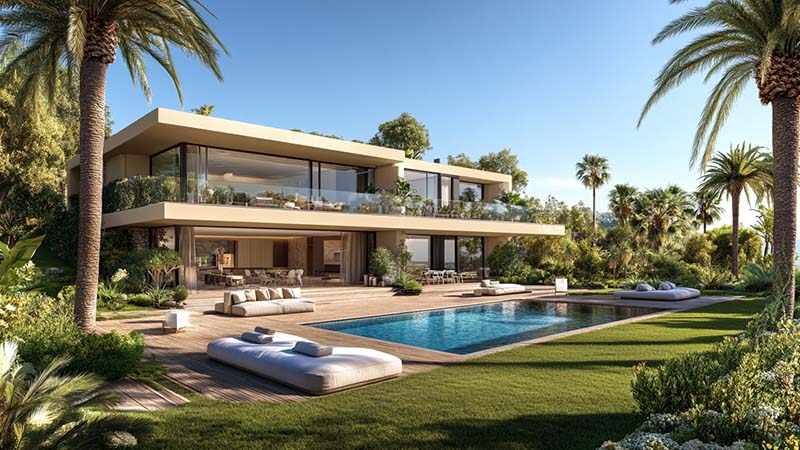
Aparna Kaushik Design House [Supplied Image]Aparna Kaushik’s studio capabilities extend from customized conceptual design to execution oversight
The Aparna Kaushik Design Group is a multinational, opulent, ultra- luxury architecture and interior design practice known for creating bespoke private residences and estates for ultra-high-net-worth clients.
Founded on the belief that design should extend beyond architecture into a complete lifestyle experience, the studio offers an integrated approach that includes architecture, interiors, art curation and experiential detailing.
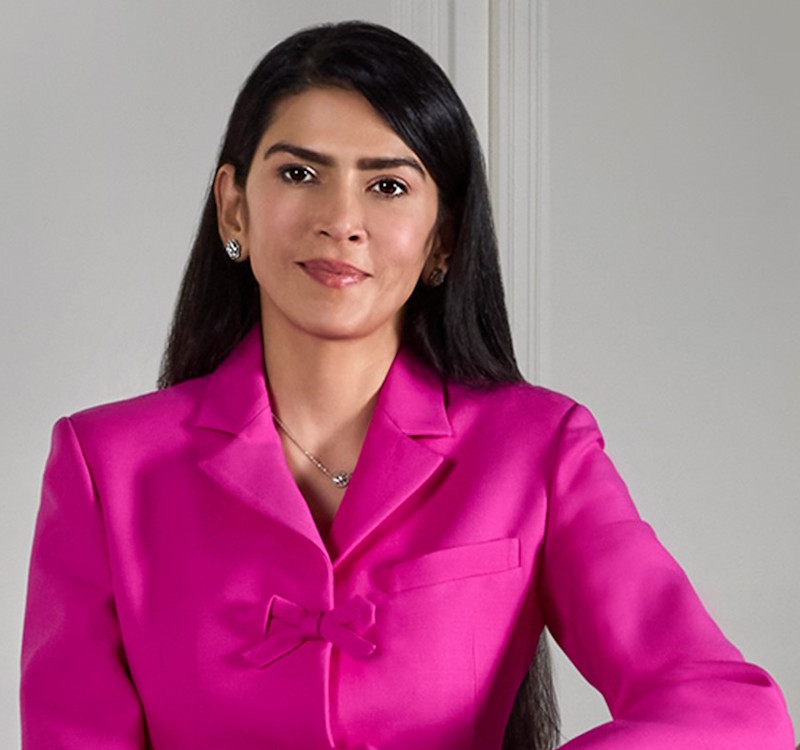
Over the years, the practice has developed a strong track record in designing large-format residences and high-end apartments that balance timeless design with deeply personalised storytelling.
The studio’s capabilities extend from conceptual design to execution oversight, coordinating multidisciplinary teams, craftsmen and international suppliers to deliver highly customized environments that reflect each client’s lifestyle.
LogisticsGulf.com engaged exclusively with Aparna Kaushik, Founder-President, House of Aparna Kaushik, for her take on her career and her professional perceptions and profound insights from the world of home design, architecture and interior decoration.
LogisticsGulf.com (LG): How would you characterize the ‘Aparna Kaushik Design Style’?
Aparna Kaushik (AK): The Aparna Kaushik design style can be described as experiential, timeless and deeply personal. Rather than following trends, the studio focuses on creating environments that feel emotionally connected to the people who inhabit them.
The design language prioritizes spatial harmony, craftsmanship and material authenticity. Every project is approached holistically; architecture, interiors, art, textiles, ambience and even sensory details are considered part of one cohesive narrative.
At its core, the style combines understated elegance with liveable luxury, ensuring spaces feel refined yet comfortable.
LG: What sets the House of Aparna Kaushik apart? What are your core brand strengths and how are you leveraging these capabilities to grow the company?
AK: What sets the House of Aparna Kaushik apart is its ability to design entire lifestyles rather than isolated spaces. The studio’s core strengths lie in understanding client psychology, managing large-scale customized projects, and integrating diverse craftsmanship into a singular design language.
The brand’s growth is driven by three pillars—a highly personalised client experience; Strong execution capability on complex, large-scale projects and a global design sensibility that resonates with internationally exposed clients.
As the company expands, it continues to focus on carefully selected projects where design depth and execution quality remain central.
LG: Your projects are celebrated for their scale and craftsmanship. From a logistics standpoint, what does the ecosystem and thought process behind an ultra-luxury private estate typically involve?
AK: An ultra-luxury private estate operates like a micro-ecosystem. Beyond architecture and interiors, it requires the coordination of designers, engineers, artisans, global suppliers, fabricators and logistics teams working in synchrony.
The process involves early-stage planning around materials, timelines and sequencing. Since many elements are custom curated, procurement and logistics are considered from the design development stage itself. Every component from stone slabs to bespoke furniture, requires careful coordination to ensure seamless integration at site.
The success of such projects relies on precision planning, proactive communication and strong oversight across all execution layers.
LG: Ultra-bespoke residences often require rare stone, custom finishes, and specialised craftsmanship sourced globally. How do you structure, source and manage high-end material procurement across borders?
AK: Procurement for ultra-bespoke projects is highly curated. The process begins with identifying materials that align with both the design narrative and project performance requirements.
The studio works with trusted international suppliers and craftspeople developed over years of collaboration. Once materials are selected, procurement is managed through structured timelines, detailed specifications and close coordination with vendors to ensure consistency in quality.
Cross-border sourcing requires anticipating lead times, customs processes and installation sequencing well in advance, making logistics planning a key part of the design process.
LG: What are the most complex supply chain challenges you encounter in ultra-luxury residential construction, and how do you mitigate risks related to timelines and quality control?
AK: In ultra-luxury residential construction, the focus is less on challenges and more on orchestrating a highly precise and coordinated supply chain. Ensuring timely deliveries, sourcing exceptional materials, and collaborating with highly skilled artisans are central to achieving the desired level of refinement and craftsmanship.
A seamless execution process is established through early planning, rigorous documentation, and careful selection of trusted partners and specialist makers. Regular review checkpoints and pre-dispatch quality assessments ensure that every element meets exacting standards.
Close alignment between design, procurement, and site teams allows the project to progress exactly as envisioned, resulting in a process that is smooth, well-paced, and uncompromising in its commitment to quality.
LG: With increasing investment movement between India and the UAE, are you seeing stronger cross-border collaboration in design and construction? How is this shaping procurement and execution strategies?
AK: Yes, cross-border collaboration is becoming increasingly pronounced as clients expand their residential portfolios across geographies. This evolution is steering procurement toward globally aligned supply networks and more harmonized design frameworks.
Given their international exposure, clients expect a high degree of consistency across homes in different regions. This calls for studios to manage sourcing and execution seamlessly across borders, while fostering closer collaboration between regional contractors, international vendors, and artists, ensuring each project reflects a cohesive standard of design and craftsmanship.
LG: In terms of scale, how do you integrate structured project management systems while preserving creative ambition and customization?
AK: Structured project management is essential, especially for projects that involve extensive customisation. The studio prepares clear SOPs and systems that define milestones, responsibilities and timelines while allowing flexibility within creative phases.
The idea is to create structure around execution without limiting design exploration. Clear systems allow creativity to flourish because the execution pathway is clearly planned and organised.
LG: How important are ecology, conservation and sustainability in your design repertoire?
AK: Ecology and sustainability are integral to how we conceive contemporary luxury. Our approach is rooted in conscious decision-making, prioritizing responsible material selection, energy sensitivity, and a deep respect for context.
We focus on timeless design and materials that age gracefully, creating homes that evolve with the families who inhabit them and comfortably accommodate their growth over the years. Rather than responding to fleeting trends that quickly lose relevance, the studio emphasizes enduring aesthetics and thoughtful planning, ensuring spaces remain meaningful, relevant, and refined for decades.
Sustainability for us is not an applied layer but an inherent quality, quietly embedded in how a home is imagined, built, and experienced over time.
LG: Which markets do you operate in? How significant are the UAE and GCC for the House of Aparna Kaushik?
AK: Aparna Kaushik Design Group operates PAN India with a growing international outlook. The UAE and the wider GCC represent an important strategic market, given the region’s sophisticated luxury segment and its highly discerning, globally attuned client base.
The studio is currently engaged in multiple UAE-based projects and views the region as a strong growth market where design expectations align closely with its philosophy.
LG: What are your expansion plans for the region?
AK: The focus is on building a meaningful and long-term presence through carefully selected projects and collaborations. Rather than rapid expansion, the strategy emphasizes quality, strong client relationships.
LG: What are the opportunities and challenges going forward for the House of Aparna Kaushik?
AK: The greatest opportunity lies in the growing demand for highly personalised bespoke environments that go beyond aesthetics. As clients seek more meaningful and experience-driven homes, there is increasing scope for design studios that can deliver end-to-end thinking.
The primary challenge remains maintaining design integrity while scaling operations and managing increasingly complex execution ecosystems across geographies.
LG: As Founder-President, what is your wider vision for the House of Aparna Kaushik for the short- and long-term futures?
AK: In the short term, the vision is to continue creating exceptional residential environments while expanding thoughtfully into global markets like the UAE.
Long term, the goal is to establish Aparna Kaushik Design Group as a globally recognised high-end design firm known for timeless designs, meaningful craftsmanship and a refined, lifestyle-centric design perspective, projects that stand the test of time and become legacy spaces for generations.