Beyond flood mitigation, the system delivers measurable environmental benefits
As the UAE experienced seasonal rainfall this week, LEAD Development is spotlighting the advanced water management system at Jubail Island, demonstrating how thoughtfully designed infrastructure can transform natural conditions into long-term environmental and community value.
Developed as part of LEAD’s broader commitment to responsible and future-ready living, the island’s integrated water system has been engineered to work in harmony with its natural surroundings.
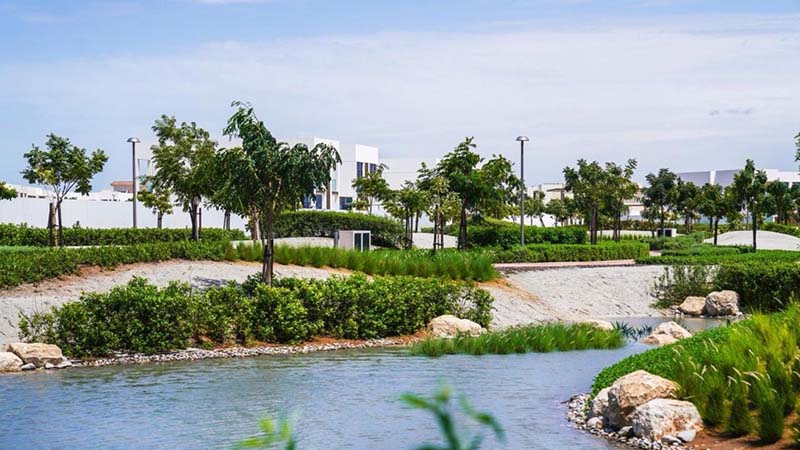
Rather than relying on conventional drainage solutions, the system captures and manages rainwater through a network of strategically positioned retention ponds embedded across the island’s landscape.
Rainwater runoff
These ponds, seamlessly integrated into parks and public spaces, naturally collect rainwater runoff during periods of heavy rainfall, helping to reduce surface flooding and alleviate pressure on traditional drainage infrastructure, so when it rains, you can truly see how Jubail Island works with nature, not against it.
Over time, the retained water is gradually absorbed into the ground, supporting groundwater recharge while contributing to the nourishment of native vegetation across the island.
Flood mitigation
Beyond flood mitigation, the system delivers measurable environmental benefits. By reducing reliance on treated irrigation water and supporting the island’s mangrove ecosystem, it contributes to resource efficiency and ecological preservation.
As climate-conscious development continues to shape the future of real estate, Jubail Island stands as a clear example of how infrastructure can be reimagined to deliver both immediate functionality and long-term impact, aligning with LEAD Development’s vision of creating communities that are not only built for today, but designed to endure for generations, a press statement concluded.