For Oman, AI has the potential to add nearly 10% to its GDP by 2040
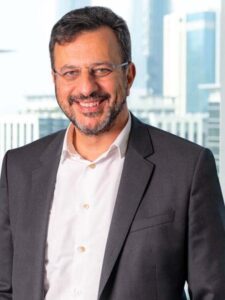
Nasser Ali Khasawneh, Global Head of TMT (Tech, Media and Telecoms) & AI, Eversheds Sutherland, a global law firm, weighs in on the impact of AI on the Sultanate of Oman’s future growth potential.
Artificial intelligence has become the new currency of power in the Gulf. The UAE is building AI-powered cities, Saudi Arabia is betting billions on futuristic megaprojects, and Qatar is staking its claim as a regional tech leader with the launch of a National Centre for Artificial Intelligence. Amid these high stakes moves, Oman enters the arena as the underdog: smaller in scale yet determined to stake its own claim in the race.
For Oman, AI has the potential to add nearly 10% to its GDP by 2040. However, the bigger prize is credibility, showing the world that a nation long defined by oil can reinvent itself as a serious technology player.
However, in a region where neighbours are sprinting ahead, talent is scarce, and the pace of innovation leaves no room for hesitation, Oman must prove it can move fast enough, or risk being overshadowed by competitors.
Regulation: Follower or pragmatist?
On the regulatory front, Oman has been pragmatic. Like other Gulf states, it has adopted a mixed regulatory model with sector-specific rules backed by central oversight bodies, which has helped fostered a business and investor-friendly climate. In many ways, Oman has followed the playbooks of Saudi Arabia, the UAE, and other regional leaders. The real question is …whether it will remain a follower or leverage these frameworks to leap ahead.
This year, Oman unveiled a series of AI initiatives under its AI Strategy 2025. With a strong emphasis on innovation, this framework promises to build human capital and integrate AI into every corner of the economy.
These aren’t just abstract policies. The AI Designated Zone, a sandbox for local and international startups, sends a strong signal to investors that Oman is ready to invest and scale.
While Oman is the first in the region to launch a dedicated economic zone for AI, the scale of investment across the Gulf is staggering. In the UAE, G42 is building multi-billion-dollar GPU data centers, while HUMAIN announced a US$ 10bn AI fund to rapidly scale AI data centers in Saudi Arabia. Oman has laid the groundwork, but it has a long way to go to get ahead of regional competitors.
Going green
Could sustainability set it apart? While Oman’s Green AI Alliance isn’t the first to introduce environmental standards, it stands out as the region’s first initiative dedicated to ensuring AI development is environmentally sustainable. The alliance is prioritizing green data centers and clean energy, setting a new benchmark for responsible innovation in the Middle East.
However, challenges remain. Water scarcity, a critical resource for data center cooling, poses a significant hurdle. By 2050, the Arabian Peninsula is projected to experience extreme water stress, with Oman among the countries most in need of urgent, long-term solutions.
An issue of shortages
Talent shortages have been another persistent challenge for Oman. Nearly half (41%) of companies say the lack of digital and STEM talent is their biggest business risk. We’ve seen this play out already: higher wages to attract qualified professionals, costly training programs to fill gaps, and an overreliance on foreign talent.
This stands as one of Oman’s biggest obstacles. You can import technology, you can license IP, you can even build infrastructure at speed. But you cannot outsource your way to a self-sustaining AI economy. If Oman wants to achieve its AI ambitions, it needs to overhaul education, embed digital skills early, and build a pipeline of local STEM talent. Without this, they’re running on borrowed time.
Beyond regulation: Culture and market adoption
Another crucial dimension is the cultural impact of AI. As technology advances, the real risk isn’t just economic disruption, it’s the erosion of culture and values. ‘Mueen’, Oman’s first national language model, is a statement of cultural sovereignty, ensuring Oman’s voice, language, and identity are not sidelined by algorithms coming out of the US and China.
Business sentiment is echoing this enthusiasm. A 2025 CEO survey found that 87% of Omani CEOs adopted generative AI in the past year, outpacing the global average. And they aren’t just curious about AI, they trust it, and many are already seeing productivity and profitability gains.
Looking beyond 2040
So, can Oman reinvent itself as a global AI leader? I believe it can, but it needs a distinct offering. It can’t fall into the trap of playing catch-up with big neighbouring players like Saudi Arabia and the UAE.
That means doubling down on public-private collaboration, drawing in global investors, and most importantly, building a homegrown talent base that can compete with global competitors.
2040 may seem distant to us, but it’s a lifetime in AI years. As AI evolves policy must keep up, and crucially, it can’t leave people behind.