Company’s technologies are helping operators reduce emissions and lower energy consumption
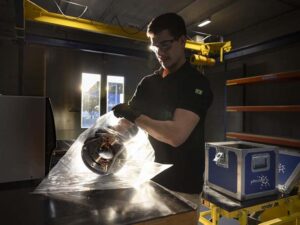
From LNG plants to refineries and emerging energy systems, John Crane technologies are helping operators reduce emissions, lower energy consumption, and keep essential infrastructure running safely and reliably.
In high-demand energy operations, even small inefficiencies can translate into significant environmental impact. John Crane’s dry gas seals and associated systems are designed to eliminate that loss.
Zero failures
At a major Australian LNG facility, advanced dry gas seals have enabled a 40% reduction in emissions, while maintaining continuous uptime with zero failures since installation. So far, this has resulted in more than 100mn tonnes of carbon dioxide prevented from entering the atmosphere.
Across energy and process industries, particularly in LNG, refining, and petrochemical operations, the replacement of conventional sealing systems with dry gas seals can reduce fugitive emissions by up to 98%, while also improving operational efficiency.
Over the past decade, John Crane’s technologies have prevented millions of tonnes of greenhouse gases from entering the atmosphere, while ongoing retrofit and performance improvement programmes are reducing approximately 278,000 tonnes of carbon dioxide equivalent emissions every year.
Minimising leakage
For many operators, the fastest way to reduce emissions is not to replace assets, but improving how they perform, minimising leakage, reducing energy use and keeping critical systems running reliably.
“Our focus is on helping customers cut emissions while keeping critical operations running safely and reliably. Whether that’s preventing gas leakage, reducing energy use, or extending the life of essential equipment, the impact is measurable, and it’s happening at scale today,” asserted Mike Eason, Chief Technology Officer, John Crane.